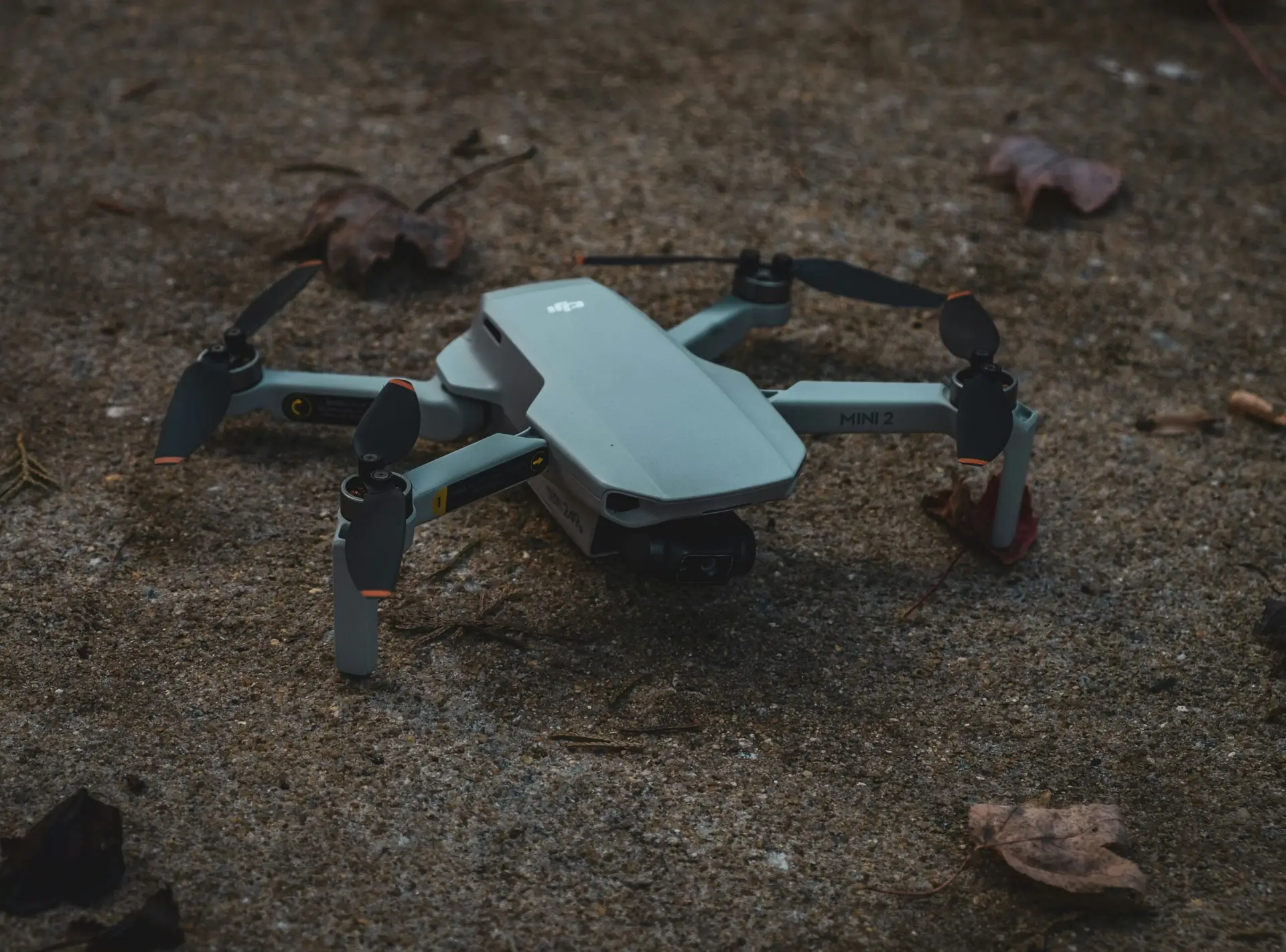

Drones, also known as unmanned aerial vehicles (UAVs), are aircraft without a human pilot on board. Originally used for military purposes, they are now common for both recreational and commercial uses, including photography, surveillance, and deliveries.
Key Types and Uses 🚁
- Multi-Rotor Drones: The most common type for hobbyists and professionals. They’re easy to control and are great for aerial photography and videography due to their ability to hover.
- Fixed-Wing Drones: Resembling traditional airplanes, these drones are used for tasks like mapping large areas and agricultural surveying because of their long flight times. They require a runway or launcher to take off.
- Single-Rotor Helicopters: Similar to miniature helicopters, they can lift heavier payloads and are often used for industrial purposes.
Important Regulations and Safety Tips ✈️
Flying a drone comes with responsibilities and rules to ensure safety. The Federal Aviation Administration (FAA) in the U.S. has specific regulations, and similar bodies exist in other countries. Here are some key points:
- Registration: Most drones weighing more than 0.55 lbs (250 grams) must be registered with the FAA.
- Altitude and Line of Sight: You must keep your drone within your visual line of sight and fly it below 400 feet.
- Restricted Airspace: Avoid flying near airports, military bases, or any other designated no-fly zones.
- Safety Practices: Always check the weather before flying and avoid flying over people or crowds.
Understanding these basics will help you operate a drone safely and legally, whether for fun or for work.
Hi, this is a comment.
To get started with moderating, editing, and deleting comments, please visit the Comments screen in the dashboard.
Commenter avatars come from Gravatar.